The Mastermind
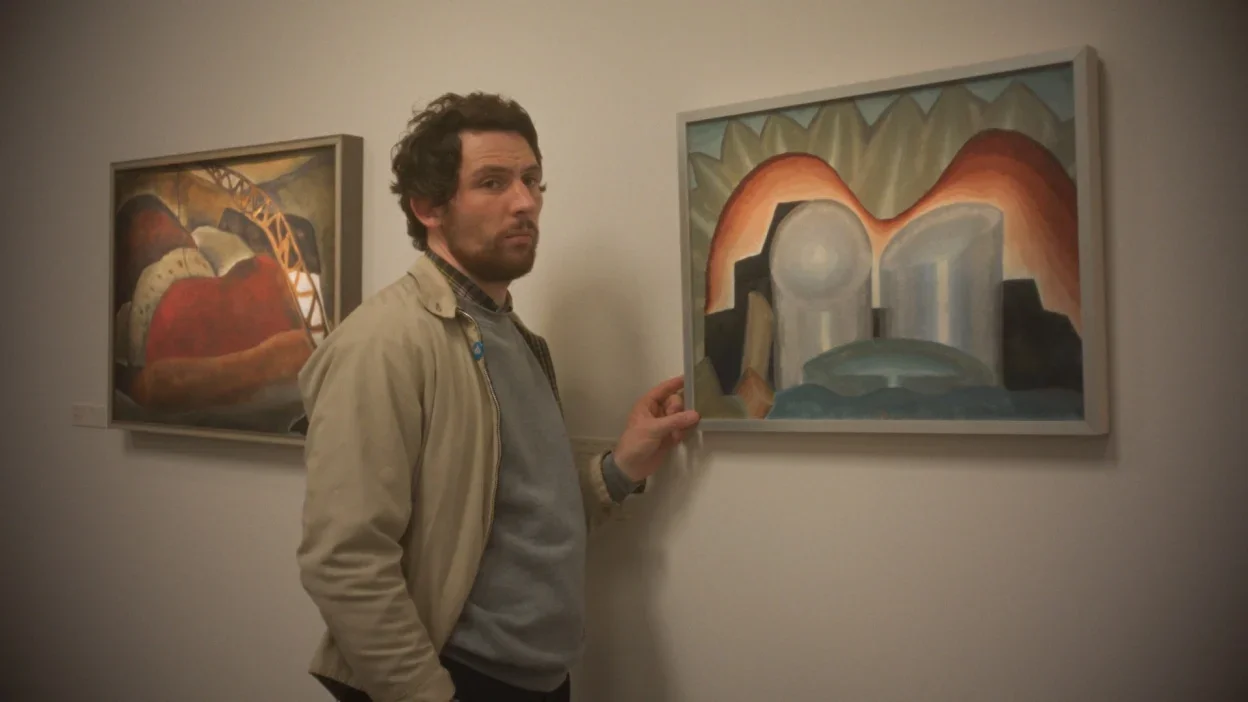
Director: Kelly Reichardt
2025
18 November 2025
See
J.B. (Josh O’Connor) an art lover, husband and father, out of work cabinet maker, and all around loser, orchestrates a heist in 1970s Massachusetts.
Think
J.B. c’est moi. Third time’s the charm in O’Connor’s self-assured attractiveness despite all evidence to the contrary in La Chimera, Challengers, and now The Mastermind. He carries does rumpled but alluring like no one else. J.B.’s wife Terri (Alana Haim) is long suffering because of his mediocrity, his father Bill, a judge (Bill Camp) belittles him lightly at the dining table for not being a go-getter. J.B. has to juggle dad duties so his sons aren’t unwitting accomplices, reminiscent of The Bicycle Thieves, and overseeing the heist, with a crew as hapless as him.
Feel
This is a compelling and timely narrative in that the whole world has been glued to news of the Louvre heist. The New Yorker’s Critics at Large podcast suggested our fascination with heists may be competency porn, seeing people be the best at what they do, who are capable of breaking the rules. This is not that kind of heist movie. Set in a geopolitical climate of civil disobedience during protests to the Vietnam War, not much happens, but the news is always on in the background. When excitement erupts, it does so deliberately, with frustratingly slow pacing. J.B. making a custom container to store the paintings. Convincing his mother Sarah (Hope Davis) to finance his latest commission to craft custom Japanese style furniture for an architect that doesn’t exist. Terri naively sewing cotton cases that’ll be used as grab bags. A school girl practicing French in the gallery the paintings are stolen from. Reichardt is meticulous even if the thieves aren’t. And that’s just the set up. There’s the actual real time score, and then being on the run. All the foibles in between pulling it off and not, is the difference between those who do, and those who watch. Trying to back yourself into thinking you’re good enough and could. This is one of those where they’re not. The New Yorker’s film critic Richard Brody described J.B. as a manqué—having failed, missed, or fallen short, especially because of circumstances or a defect of character; unsuccessful; unfulfilled or frustrated. There’s an overwhelming disappointment in seeing J.B. continuing to try and fail as nothing turns out the way he planned. At times this can be endearingly slapstick, like the long scene of him in a barn with pigs as a stash house, scaling a ladder, first with the paintings and then with the now not too heavy but still cumbersome box, replacing the paintings, covering it with hay and inadvertently kicking away the ladder. How you do anything is how you do everything. Later on the lamb, he stays with his last friends in the world Fred (John Magaro) great in Reichardt’s First Cow and Celine Song’s Past Lives, and Maude (Gaby Hoffmann), who gives him the talking to he needed to hear. This scene is the only one that offers any insight into why did he did it, and think he could get away with it. The hand drawn paintings that the burglars target the other clue of J.B.’s unrealised talent and unfulfilled ambitions.
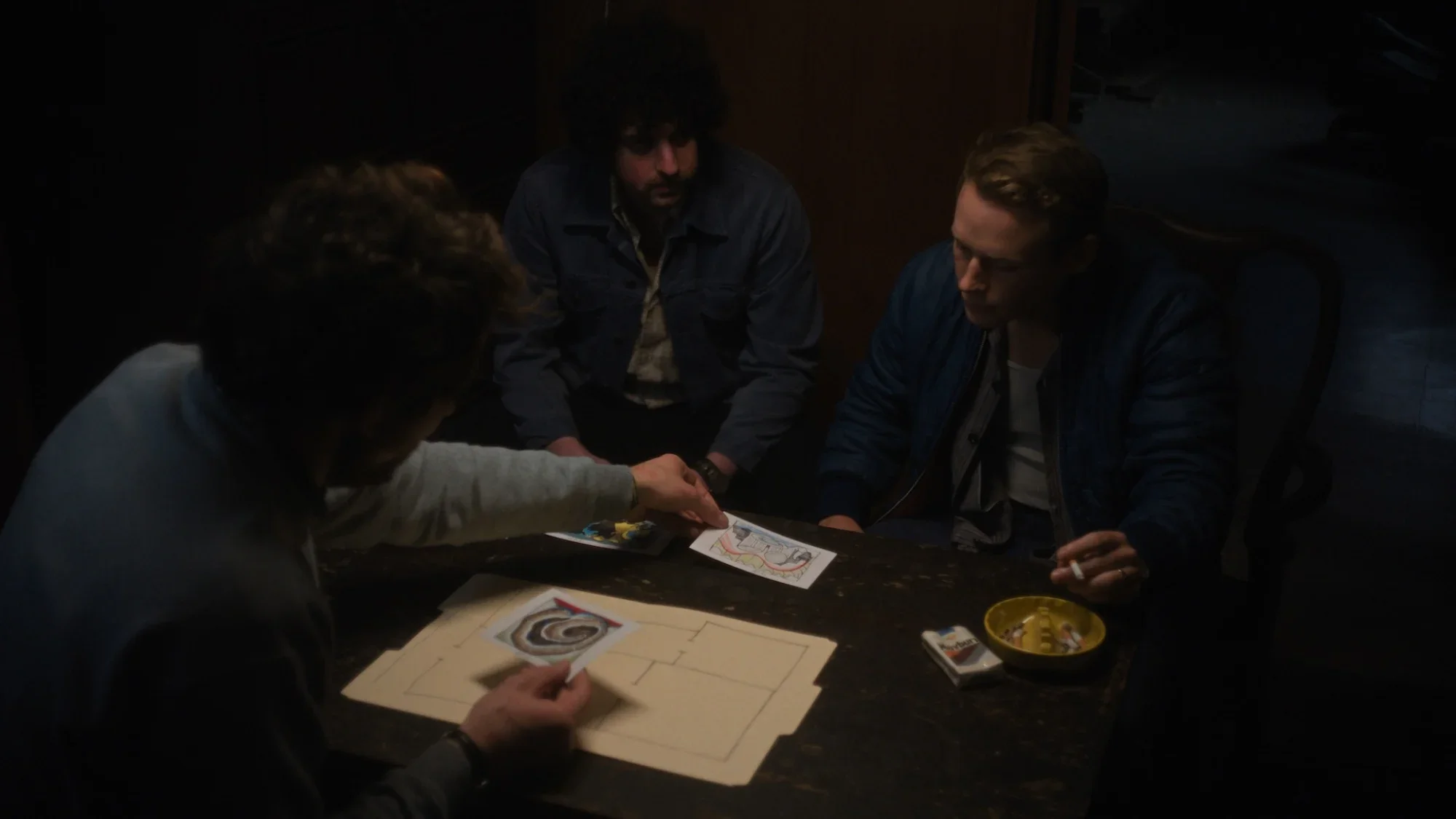
As Alexendra Schwartz says in The Critics At Large episode The Guilty Pleasure of the Heist, “...it’s about someone in search of a life, and in search of an identity and in search of something to do. He is a drop out, but not a political drop out in the way of so many people of the time… this guy is just a regular failure… It is a film about a gross incompetent who could have been a contender.”